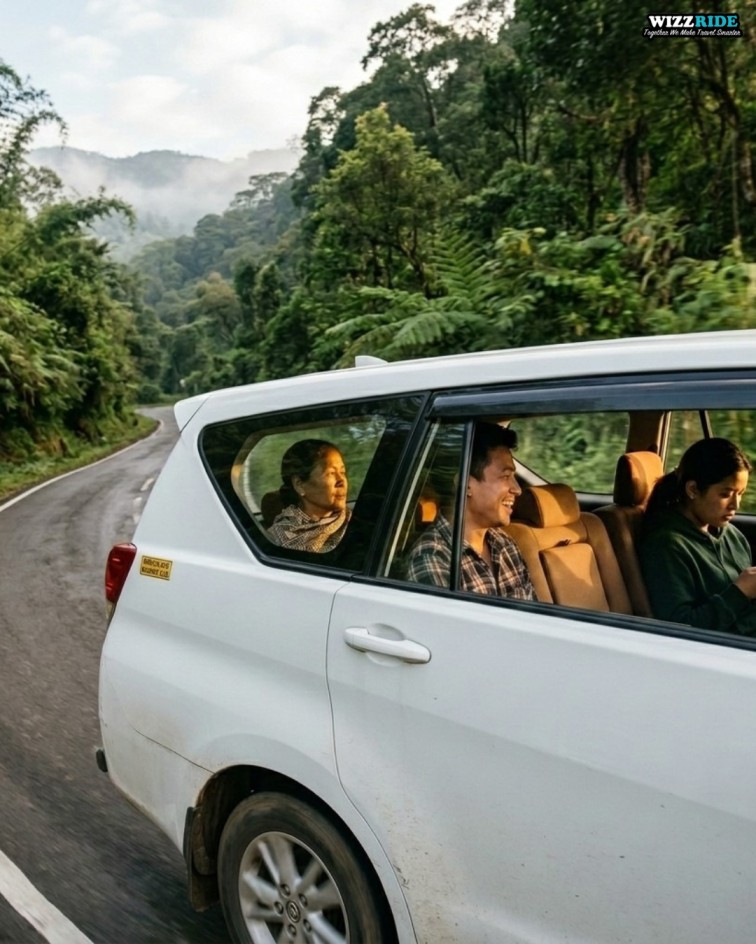
World Environment Day 2026: How Wizzride’s Shared Mobility Model Is Building a Greener Future
Every Journey Counts
Every year on June 5, people across the globe come together to celebrate World Environment Day — a movement dedicated to raising awareness about environmental challenges and inspiring action toward a sustainable future.
In 2026, the theme is “Inspired by Nature. For Climate. For Our Future.” The official hashtag is #NowForClimate. The message from UNEP is simple: the Earth is sending signals. The question is what signal we choose to send back.
At Wizzride, our answer is straightforward. We send it every day — on every route, with every shared seat filled, with every vehicle that carries four passengers instead of one. Shared mobility is not a symbolic gesture. It is a measurable, repeatable, immediately available climate action that every traveller can take on their very next journey.
As the world faces climate change, rising carbon emissions, growing energy consumption, and increasing urban congestion, every individual has a role to play in protecting the planet. One of those choices is how we travel.
🌎 World Environment Day 2026 Theme: “Inspired by Nature. For Climate. For Our Future.” | Hashtag: #NowForClimate | Hosted by: Azerbaijan, Baku | Led by: UNEP
India’s Growing Traffic, Fuel and Environmental Challenge
India’s transportation sector is growing rapidly. With more than 354 million registered vehicles on Indian roads, transportation demand has reached unprecedented levels. However, this growth has also created significant challenges that affect every commuter, every city, and the environment as a whole.
Rising Traffic Congestion
Major cities across India continue to experience severe traffic congestion. Whether it is Bengaluru, Delhi, Mumbai, Kolkata, Guwahati, Shillong, or Siliguri, commuters spend countless hours stuck in traffic every year. Bengaluru commuters alone lose 117 hours per year to congestion — ranked the third worst in the world (TomTom Traffic Index 2024).
The consequences are real and compounding:
- Increased travel time and reduced productivity
- Higher fuel consumption per journey
- Greater air pollution in urban areas
- Increased carbon emissions from idling vehicles
- Reduced quality of life for millions of daily commuters
Simply building more roads is no longer enough. A smarter transportation solution is needed.
Increasing Fuel Consumption
India imports over 85% of its crude oil requirements. As more vehicles enter the roads, fuel demand continues to rise. Every solo journey in a vehicle with empty seats contributes to increased fuel consumption, greater dependence on imported energy, higher transportation costs, and a larger environmental impact. Petrol now costs between ₹94 and ₹111 per litre across Indian metros — and the cost is felt by every traveller.
Reducing unnecessary vehicle trips can significantly improve fuel efficiency and energy conservation at a national scale.
Rising Carbon Emissions
The transportation sector contributes approximately 14% of India’s direct CO2 emissions (Economic Survey 2025-26). When thousands of vehicles travel with only one passenger, emissions increase unnecessarily. As India works toward its sustainability goals and carbon reduction targets, shared transportation is becoming an increasingly important part of the solution.
📈 The scale of the opportunity The Economic Survey 2024-25 found that widespread carpooling in India could eliminate 780,000 daily vehicle trips and save 380 million litres of fuel annually — without building a single new road.
What Is Shared Mobility?
Shared mobility is a transportation model where multiple travellers share a vehicle while travelling in the same or similar direction. Instead of hiring an entire vehicle, passengers book individual seats and share the journey with others.
Examples include:
- Shared cab booking — pre-booked per-seat intercity travel
- Carpooling — co-travellers sharing a vehicle on a regular commute
- Ride sharing — app-based or pre-arranged shared trips
- Shared airport transfers — fixed-route transfers from airport to city
- Seat-based intercity transportation — booking one seat, not the whole vehicle
The concept is simple. More people travel in fewer vehicles. This leads to lower transportation costs, reduced fuel consumption, reduced traffic congestion, lower CO2 emissions, and better utilization of transportation resources. Shared mobility is transforming how people travel across India.
Why Shared Mobility Matters More Than Ever in India
India’s transportation challenges require solutions that are practical, scalable, and environmentally responsible. Shared mobility addresses all three.
When four people share one vehicle instead of travelling separately, the impact is immediate and measurable:
| What Changes | Individual Travel (4 solo cars) | Shared Travel (1 shared cab) |
|---|---|---|
| Vehicles on the road | 4 vehicles | 1 vehicle |
| Fuel consumed per person | Full tank equivalent | 25% of solo consumption |
| CO2 emissions per person | ~1,340 kg/year | ~335 kg/year |
| CO2 avoided per carpooler | — | ~1,000 kg per year |
| Cost per person (Guwahati–Shillong) | ₹2,500–3,500 | ₹300–500 |
This creates a genuine win-win situation for both travellers and the environment. The financial saving is immediate. The environmental impact is real. And the action requires nothing more than choosing a shared seat over a private vehicle.
How Shared Cabs Reduce CO2 Emissions
One of the biggest advantages of shared transportation is its positive environmental impact. Consider four travellers making the same journey:
Individual Travel: Four vehicles on the road. Four engines consuming fuel. Four separate emission sources. Each vehicle carrying only one person.
Shared Travel: One vehicle. One engine. Fuel consumption shared across four passengers. CO2 emissions divided by four per traveller.
Studies consistently show that shared mobility significantly reduces carbon emissions per traveller. By maximizing vehicle occupancy, shared transportation minimizes unnecessary fuel use and lowers the environmental impact of every journey. Every seat filled in a shared cab contributes to a cleaner atmosphere.
At scale, the impact is extraordinary. BlaBlaCar’s 2024 Sustainability Report, independently audited by Deloitte, found that carpooling on their platform alone avoided 2.5 million tonnes of CO2 in 2024 — a 25% increase over 2023. India became BlaBlaCar’s largest carpooling market worldwide in August 2025.
How Shared Transportation Conserves Fuel and Energy
India’s growing energy demand has become an important national concern. Transportation accounts for a significant portion of fuel consumption. Every litre of fuel saved helps reduce fossil fuel consumption, improve energy efficiency, lower fuel imports, and support national energy security.
Shared mobility allows transportation resources to be used more efficiently. Rather than four vehicles carrying four people, one vehicle can carry all four passengers. This simple shift creates measurable energy savings while reducing transportation costs for travellers.
| Metric | Solo Driver (20 km daily) | Shared Cab (4 riders) |
|---|---|---|
| Daily fuel cost per person | ₹267/day | ₹67/day |
| Monthly fuel saving per person | — | ₹4,400/month |
| Annual fuel saving per person | — | ₹52,800/year |
| Annual fuel litres saved | — | ~435 litres |
Wizzride’s Vision for Sustainable Mobility
Wizzride was built with a vision of making travel more accessible, affordable, and environmentally responsible. For decades, shared transportation has been part of life in Northeast India. Travellers have traditionally shared vehicles between major destinations, helping reduce travel costs and improve connectivity across the region.
Wizzride has modernized this model through technology, professional operations, and advance booking convenience. Today, Wizzride provides a reliable platform where travellers can easily book shared seats online and travel comfortably across Northeast India and North Bengal.
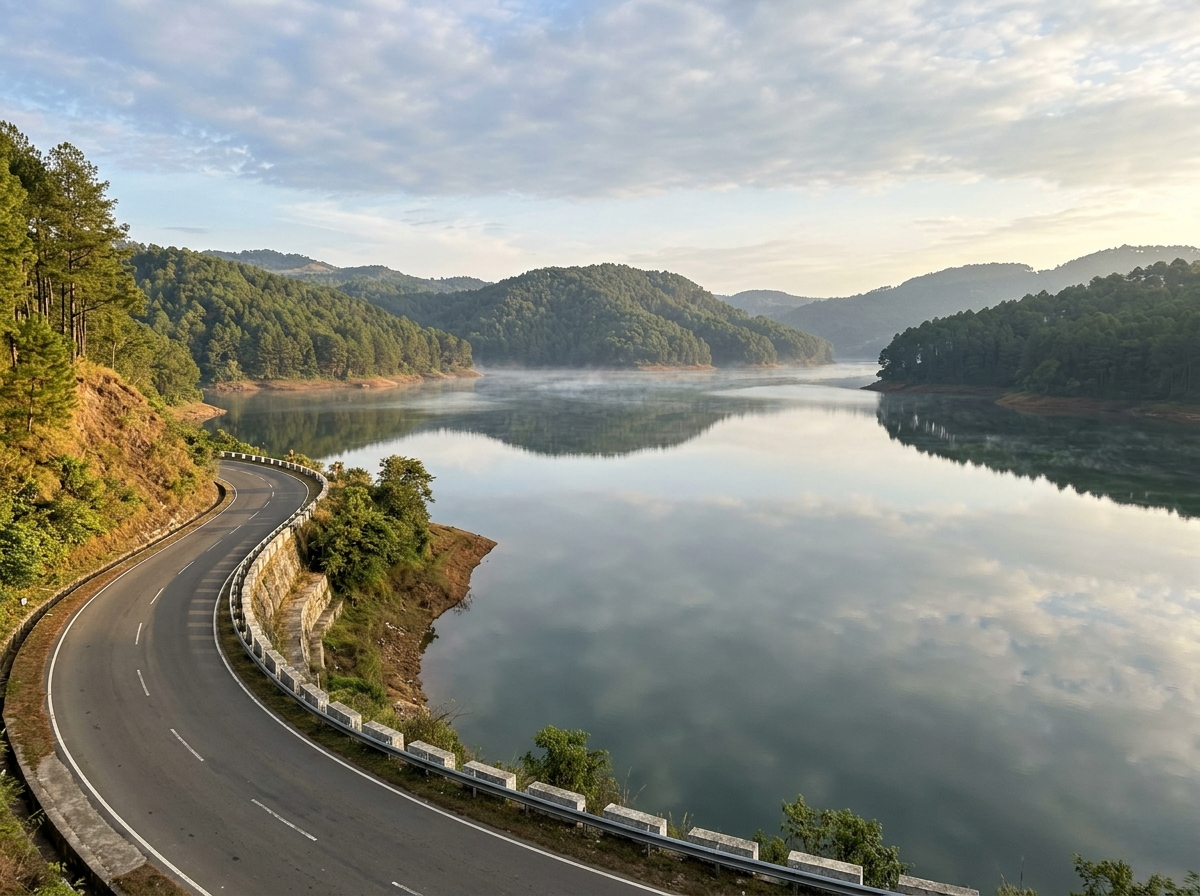
Popular Wizzride Shared Cab Routes in Northeast India
Wizzride operates shared cab services across some of the region’s most popular travel corridors, helping thousands of travellers reduce transportation costs while supporting environmentally responsible travel every day.
| Shared Cab Route | Distance |
|---|---|
| Guwahati Airport → Shillong | 117 km |
| Shillong → Guwahati City | 93.7 km |
| Bagdogra Airport → Gangtok | 124 km |
| Bagdogra Airport → Darjeeling | 68.1 km |
| Bagdogra Airport → Kalimpong | 77 km |
Why Travellers Choose Wizzride Shared Cab Services
- Affordable per-seat pricing: Travellers pay only for the seat they occupy — significantly cheaper than hiring a private taxi
- Advance online booking: Reserve your seat before your journey. No waiting. No uncertainty.
- Verified professional drivers: Experienced drivers familiar with the unique road conditions of Northeast India and North Bengal
- Comfortable travel experience: Premium Innova Crysta vehicles suitable for long-distance and mountain routes
- Convenient airport transfers: Direct pickup from Guwahati Airport (GHY) and Bagdogra Airport (IXB) coordinated with your flight arrival
- Fixed schedules: No waiting at the stand for a vehicle to fill up — pre-booked seats depart on time
🚕 Book Shared Cabs with Wizzride Affordable shared cab booking and airport transfers across Northeast India and North Bengal. Professional drivers, fixed pricing, advance booking. Visit wizzride.com or book via the Wizzride app (Android / iOS).
Shared Mobility Supports Sustainable Tourism
Northeast India and North Bengal are home to some of the country’s most breathtaking destinations. From Shillong and Cherrapunji to Gangtok, Darjeeling, and the Dooars forests, tourism continues to grow every year. However, increased tourism often means increased vehicle traffic, higher road congestion, more fuel consumption, and greater environmental impact on fragile mountain ecosystems.
Shared transportation helps preserve these destinations by:
- Reducing the number of vehicles on mountain roads
- Lowering fuel consumption and emissions per visitor
- Easing congestion on narrow hill routes
- Supporting a lower-impact tourism model that the region’s ecosystems can sustain
By choosing shared mobility, travellers become active participants in sustainable tourism — not just passive visitors. Every shared cab booking is a vote for the kind of travel that protects the places we love to visit.
How You Can Contribute This World Environment Day 2026
Protecting the environment does not always require major sacrifices. Small actions, adopted by millions of people, create significant impact. This World Environment Day, here are meaningful choices you can make:
- Choose shared transportation whenever possible — especially for intercity journeys
- Book a shared cab for your next trip to Shillong, Gangtok, Darjeeling, or Siliguri instead of a private taxi
- Reduce unnecessary vehicle trips by combining journeys or sharing with co-travellers
- Support sustainable tourism by choosing operators that prioritise shared and low-impact travel
- Encourage friends and family to travel responsibly — share this blog, share your Wizzride booking, share the signal
Every shared journey helps create a cleaner future. Use the hashtag #NowForClimate when you share your next Wizzride booking — and make your climate action visible.
Conclusion
World Environment Day 2026 serves as a reminder that the future of our planet depends on the choices we make today. As India continues to face growing traffic congestion, rising fuel consumption, increasing energy demand, and environmental challenges, shared mobility offers a practical and immediately deployable solution.
Through professionally managed shared cab services, Wizzride is helping travellers reduce transportation costs while contributing to a greener future — every single day, on every single route.
Every shared seat means:
- Fewer vehicles on the road
- Lower fuel consumption
- Reduced CO2 emissions
- Less traffic congestion
- More sustainable tourism
- A cleaner environment for future generations
This World Environment Day, choose smarter travel. Share Your Ride. Reduce CO2 Emissions. Travel Smarter with Wizzride.
🚕 Send Your #NowForClimate Signal Book a shared Innova Crysta cab with Wizzride across Guwahati, Shillong, Gangtok, Darjeeling and Bagdogra. Per-seat pricing, pre-booking, verified drivers. Visit wizzride.com or book via the Wizzride app (Android / iOS).
Useful References
Frequently Asked Questions
What is World Environment Day 2026?
World Environment Day 2026 is a global environmental awareness campaign celebrated on June 5, led by the United Nations Environment Programme (UNEP). The 2026 theme is “Inspired by Nature. For Climate. For Our Future.” with the official hashtag #NowForClimate. It is hosted by Azerbaijan in Baku and encourages individuals, communities, businesses, and governments to adopt sustainable practices and take climate action.
What is shared mobility?
Shared mobility is a transportation model where multiple passengers share a vehicle travelling in the same direction. Examples include shared cab booking, carpooling, ride sharing, and shared airport transfers. Passengers pay only for the seat they occupy, making it significantly more affordable than hiring a private vehicle — while also reducing fuel consumption and carbon emissions per traveller.
How do shared cab services reduce CO2 emissions?
Shared cab services reduce the number of vehicles on the road by allowing multiple travellers to share one vehicle. When 4 people share one cab instead of travelling separately, 3 cars are removed from the road for that journey. This reduces CO2 emissions per person by approximately 75% and avoids approximately 1,000 kg of CO2 per carpooler per year on a standard daily commute.
How does Wizzride support sustainable travel?
Wizzride supports sustainable travel through professionally managed shared cab services across Northeast India and North Bengal. By increasing vehicle occupancy and reducing the number of vehicles on the road, Wizzride helps lower fuel consumption, reduce carbon emissions, ease traffic congestion, and provide affordable transportation — making the environmentally responsible choice the easy and convenient choice
Is shared cab booking cheaper than hiring a private taxi?
Yes, significantly. A shared cab seat from Guwahati to Shillong costs ₹300–500, compared to ₹2,500–3,500 for a full reserved cab. On the Bagdogra to Gangtok route, a shared seat costs ₹400–700 versus ₹3,500–5,000 for a reserved vehicle. For a frequent traveller making the journey twice a month, choosing a shared cab saves over ₹48,000 per year.
Which routes does Wizzride offer shared cab services on?
Wizzride offers shared cab services on popular Northeast India and North Bengal routes including Guwahati to Shillong, Shillong to Guwahati Airport, Bagdogra Airport to Gangtok, Bagdogra Airport to Darjeeling, and Siliguri to Darjeeling. All routes offer pre-booking, verified professional drivers, premium Innova Crysta vehicles, and transparent per-seat pricing.
How does shared mobility help conserve fuel?
Shared mobility improves vehicle occupancy by allowing multiple passengers to travel together in one vehicle instead of four separate vehicles. This reduces the total number of vehicles on the road, resulting in lower fuel consumption per person, improved energy efficiency, and reduced dependence on imported crude oil. The Economic Survey 2024-25 estimates that widespread carpooling could save 380 million litres of fuel annually across India.
Why is shared mobility important for India’s future?
Shared mobility helps address major transportation challenges such as traffic congestion, rising fuel consumption, energy security concerns, and carbon emissions. The Indian government has formally recognised this — the Motor Vehicle Aggregator Guidelines 2025, Mission LiFE, and the Economic Survey 2024-25 all recommend shared mobility as a national priority. It provides a sustainable, cost-effective, and immediately deployable solution for India’s growing transportation needs.